How to transport fish in car
Transporting fish in a car can be a daunting task, but with the right preparation and knowledge, it can be done safely and effectively. Whether you are moving to a new home or bringing home new fish from the store, ensuring the safety and health of your aquatic friends during transport is paramount.
Preparing for Transport
Before you begin the journey, it’s important to prepare adequately. This preparation includes gathering the right materials and understanding the specific needs of the fish species you are transporting.
Choosing the Right Transport Container
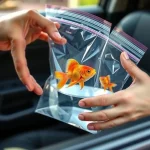
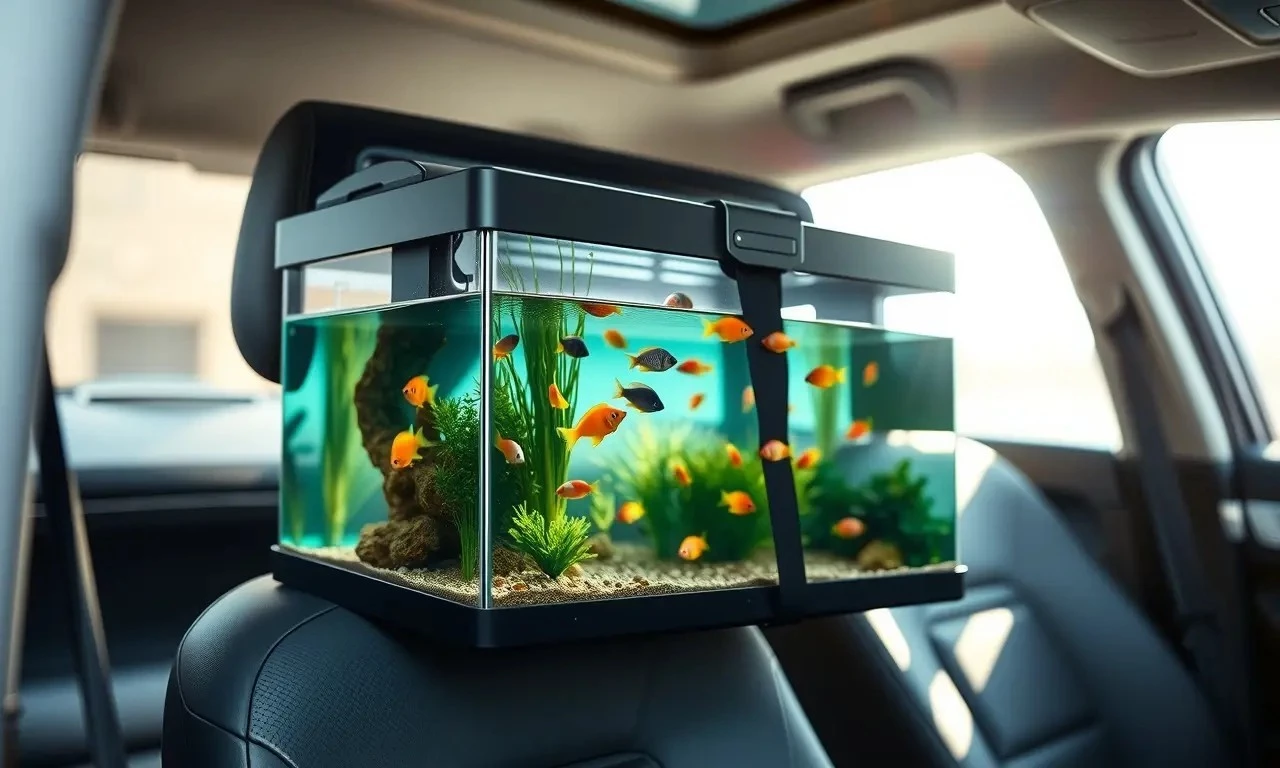
The choice of transport container is critical for the safety of your fish. Options include fish bags, portable tanks, or even plastic containers. The key is to ensure that the container is clean, non-toxic, and appropriately sized for your fish.
Water Quality and Temperature
Maintaining the right water temperature is crucial for fish health during transport. Fish are sensitive to temperature changes, so it’s important to match the transport water temperature as closely as possible to their aquarium environment. Additionally, ensure that the water quality is optimal, free from toxins, and has the right pH balance.
Insulation and Darkness
Insulating the transport container can help maintain a stable temperature and reduce stress for the fish. Wrapping the container in towels or using a cooler can help provide insulation. Keeping the container in darkness by covering it with a cloth can also have a calming effect on the fish.
During Transport
Aeration and Oxygen Supply
Fish require oxygen, and during transport, aeration becomes a concern. If using fish bags, ensure they are filled with a mix of water and oxygen, leaving ample air space. For longer journeys, consider using battery-powered air pumps to maintain oxygen levels.
Cushioning and Secure Transport
To avoid injury during travel, cushion the transport container to prevent movement and minimize shocks. Use towels, foam, or other soft materials to secure the container in the car; This secure transport method will help in reducing stress and potential harm to the fish.
Monitoring Travel Duration
Be mindful of the travel duration. The longer the journey, the greater the risk of water quality degradation and temperature fluctuations. Plan your route and schedule stops if necessary to check on your fish and make adjustments.
Post-Transport Acclimation
Acclimating Your Fish
Once you arrive at your destination, it’s important to acclimate your fish to their new environment gradually. This process involves slowly introducing them to the new water conditions, which can vary in temperature and pH.
Filtration and Water Quality
Set up the aquarium with proper filtration to maintain water quality. Allow the filtration system to run for a few hours before introducing the fish to ensure that the water is clean and stable.
Stress Reduction
Minimizing stress is crucial for maintaining fish health. After transport, keep the lights low and avoid tapping on the glass or making sudden movements around the aquarium. Provide hiding spots for the fish to retreat and recover from the journey.
Considerations for Different Fish Species
Different fish species have varying requirements. Research the specific needs of your fish, including their tolerance to temperature changes and sensitivity to stress. Some species may require extra care and specific transport conditions.
Transporting fish in a car requires careful planning and attention to detail. By understanding the needs of your fish and taking appropriate measures to ensure their safety and comfort, you can successfully transport them with minimal stress. Remember to always prioritize the health and well-being of your fish throughout the process.