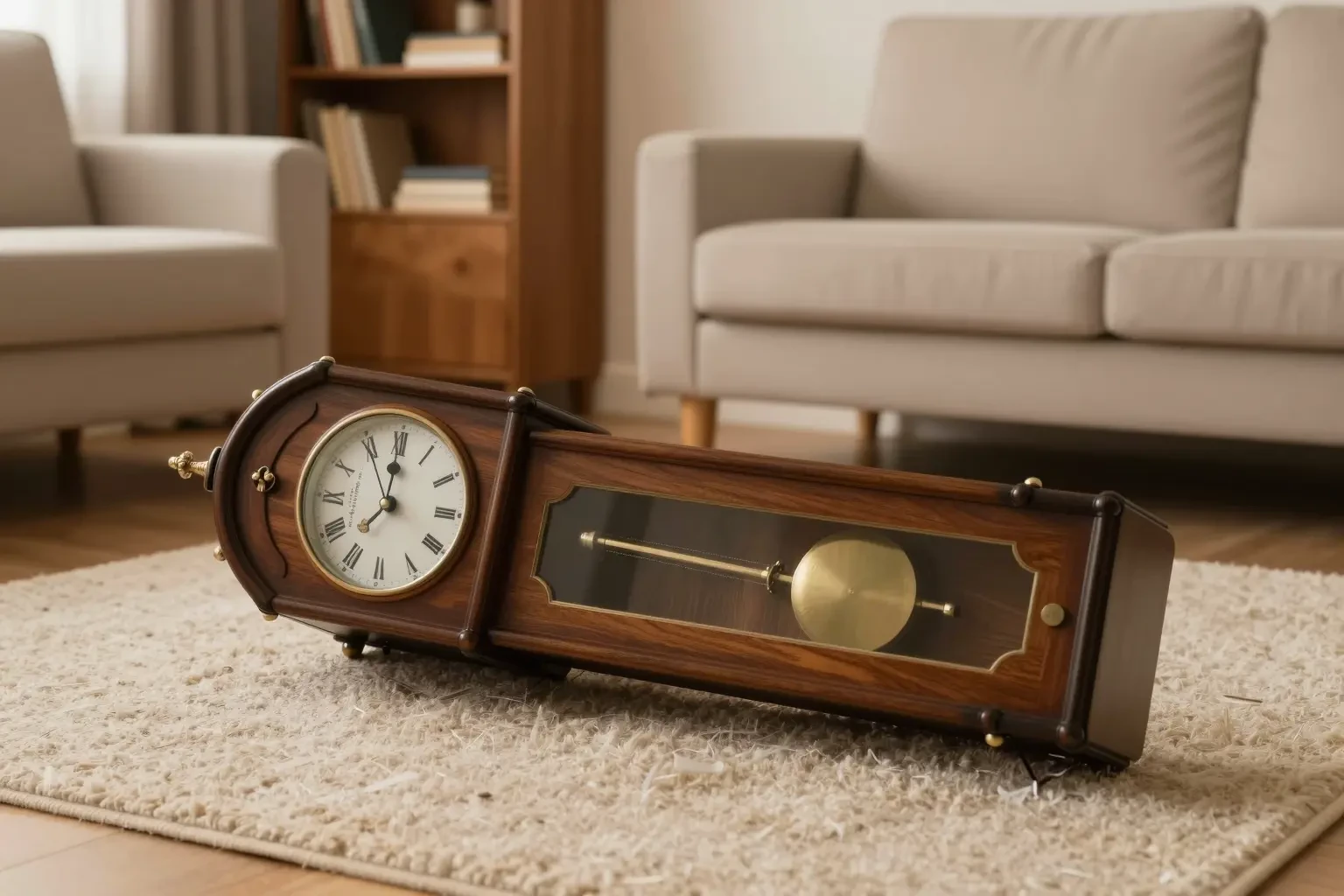
Can you lay a grandfather clock down to transport it
Transporting a grandfather clock is a task that requires careful planning and execution due to its fragile nature and complex mechanism․ The question of whether it is safe to lay a grandfather clock down during transport is common, as many people are concerned about the potential for damage․ This article will explore the best practices for moving these timepieces, ensuring their safety and integrity throughout the process․
Understanding the Delicate Mechanism
A grandfather clock is a masterpiece of engineering, with its intricate pendulum, chimes, and clock face․ These components are delicate and need special attention to avoid any damage․ The weights of the clock, along with the pendulum, are essential for its accurate timekeeping and must be handled with care․
Preparing for Transport
Before deciding on the transportation method, it is crucial to disassemble certain parts of the clock․ The pendulum and weights should be removed to prevent them from swinging and causing damage․ Removing these components reduces the risk of internal damage and ensures the clock’s mechanisms remain intact․
Steps to Disassemble the Clock
- Carefully remove the pendulum by gently lifting it off its hook․
- Detach the weights by unhooking them, ensuring they are not dropped or mishandled․
- Securely pack the pendulum and weights in protective materials like bubble wrap․
- Use cushioning to protect the clock face and other fragile components․
Transporting the Clock
Once the clock is prepared, the method of transport must be carefully considered․ While it is possible to lay down a grandfather clock for transport, it is generally recommended to keep it in a standing position if possible․ This minimizes the stress on the clock’s structure and reduces the risk of damage․
Considerations for Laying the Clock Down
- Ensure the clock is placed on a flat, stable surface․
- Use ample cushioning to protect all sides of the clock, preventing scratches or impact damage․
- Secure the clock to prevent movement during transportation․
If the clock must be laid down due to space constraints or other factors, ensure it is secure and well-protected․ The clock should be placed on a thick layer of padding, with additional cushioning around the delicate parts․
Reassembly and Balance
Upon reaching the destination, carefully reassemble the clock․ Reattach the pendulum and weights, ensuring they are in the correct positions․ It is crucial to check the balance of the clock to ensure accurate timekeeping․ Adjust the clock’s position until it is perfectly level, as an unbalanced clock can lead to erratic ticking and time errors․
Reassembly Steps
- Place the grandfather clock in the desired location, ensuring it is stable and level․
- Reattach the pendulum by hooking it back into its place with care․
- Rehang the weights, ensuring they are correctly positioned according to the clock’s design․
- Test the clock’s operation by gently swinging the pendulum and listening for consistent ticking․
Final Considerations
Transporting a grandfather clock requires attention to detail and careful handling․ While laying the clock down is an option, it should only be done when necessary and with sufficient precautions․ Ensuring the clock is properly packed and protected is vital for avoiding damage․ By following these guidelines, you can safely move your grandfather clock and enjoy its timeless presence in your new space․