How to transport fish in car long distance
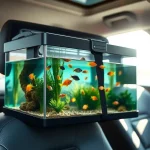
Transporting fish over a long distance requires careful planning and consideration to ensure their health and well-being. Whether moving to a new home or taking your aquatic pets to a different location‚ understanding the essentials of fish transportation is crucial. This guide will cover all aspects of transporting fish safely‚ focusing on water quality‚ oxygen supply‚ temperature control‚ and more.
Preparing Your Fish Tank for Transportation
Before embarking on a long journey with your fish‚ it is essential to prepare your fish tank and its inhabitants adequately.
Water Quality and Water Change
Ensure the water quality is optimal before starting your trip. Perform a partial water change a day before the journey to remove debris and reduce ammonia levels. This helps to maintain a stable environment while the fish are in transit.
Feeding Schedule
Avoid feeding your fish 24 to 48 hours before the journey. This reduces waste production‚ minimizing ammonia levels in the transport container and reducing stress on the fish.
Choosing the Right Travel Container
Selecting an appropriate travel container is vital for the safety and comfort of your fish during transit.
Fish Bag and Secure Packaging
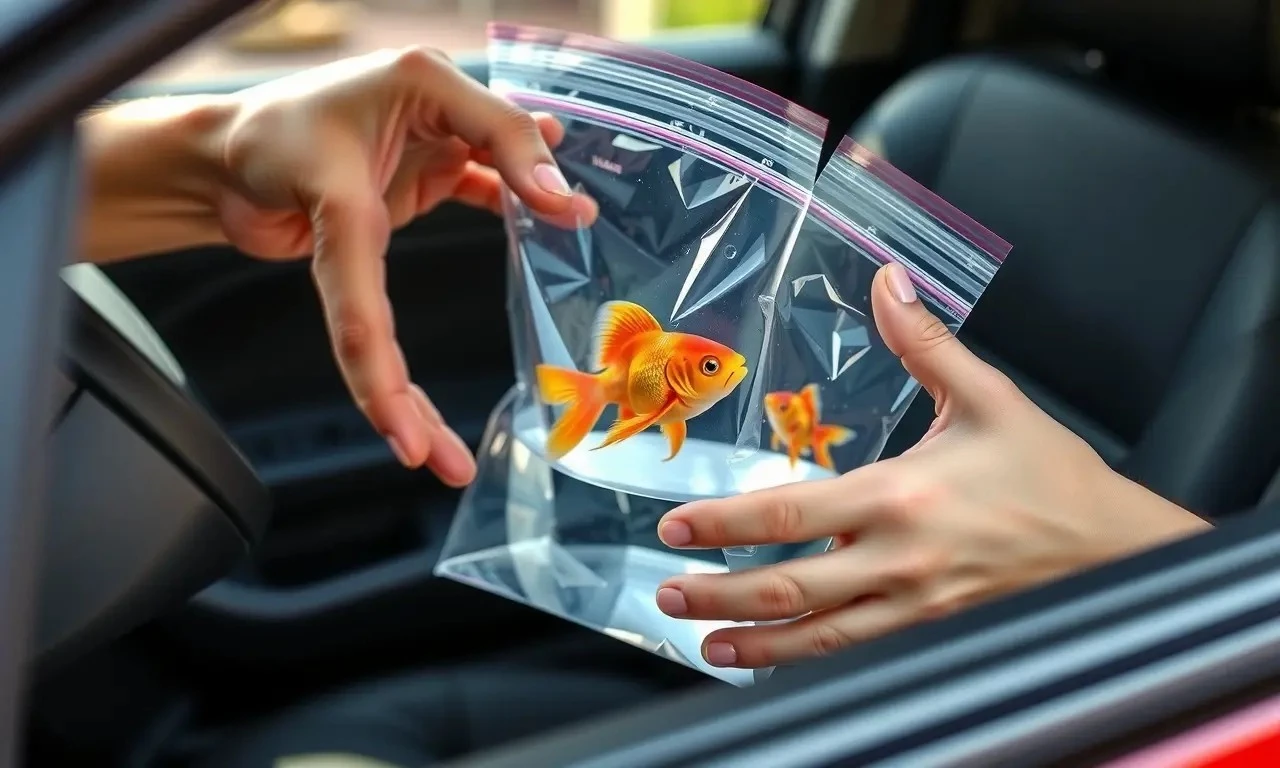
Use a high-quality fish bag to transport your fish. Double-bagging is recommended to prevent leaks. Fill one-third of the bag with water and the remaining with air to ensure sufficient oxygen supply. Secure the bags tightly to prevent spillage and place them in a sturdy box with secure packaging materials for added protection.
Insulation and Temperature Control
Maintaining a stable temperature is crucial for fish health. Use insulation materials like foam or towels around the fish bags to protect against temperature fluctuations. Consider using a portable battery-operated heater for additional temperature control if necessary.
Ensuring Adequate Oxygen Supply
Fish require a continuous oxygen supply during transportation; Consider the following options:
Portable Air Pump
A portable air pump can be used to provide a steady flow of air into the fish bags or containers. This device is especially useful for long journeys‚ ensuring that the fish do not suffer from oxygen depletion.
Acclimation Process
Upon reaching your destination‚ acclimate your fish to their new environment to reduce stress and ensure a smooth transition.
Acclimation Steps
Gradually introduce water from the new tank to the fish bags to help them adjust to any changes in water parameters. This process can take several hours and should be done slowly to prevent shock.
Minimizing Stress During Transport
Reducing stress is a key factor in maintaining fish health during transportation;
Stress Reduction Techniques
- Keep the transport container in a dark‚ quiet area of the car to minimize stress.
- Avoid abrupt movements and vibrations during the journey.
- Use a water conditioner to detoxify any potential harmful substances in the water.
Filtration System
While a full filtration system may not be feasible during transport‚ using a small battery-operated filter can help maintain water quality and reduce stress.
Packing Materials and Secure Packaging
Proper packing materials and secure packaging are essential to ensure the safety of your fish during transport.
Protective Measures
- Use sturdy boxes and cushioning materials to protect fish bags from movement and impacts.
- Label the box as “Live Fish” to alert handlers to the sensitive nature of the contents.
Successfully transporting fish over a long distance requires careful planning and attention to detail. By ensuring optimal water quality‚ maintaining an adequate oxygen supply‚ controlling temperature‚ and minimizing stress‚ you can safeguard the health of your aquatic pets during the journey. With the right preparation and equipment‚ such as a portable air pump and secure packaging‚ your fish can arrive at their new home safely and comfortably.