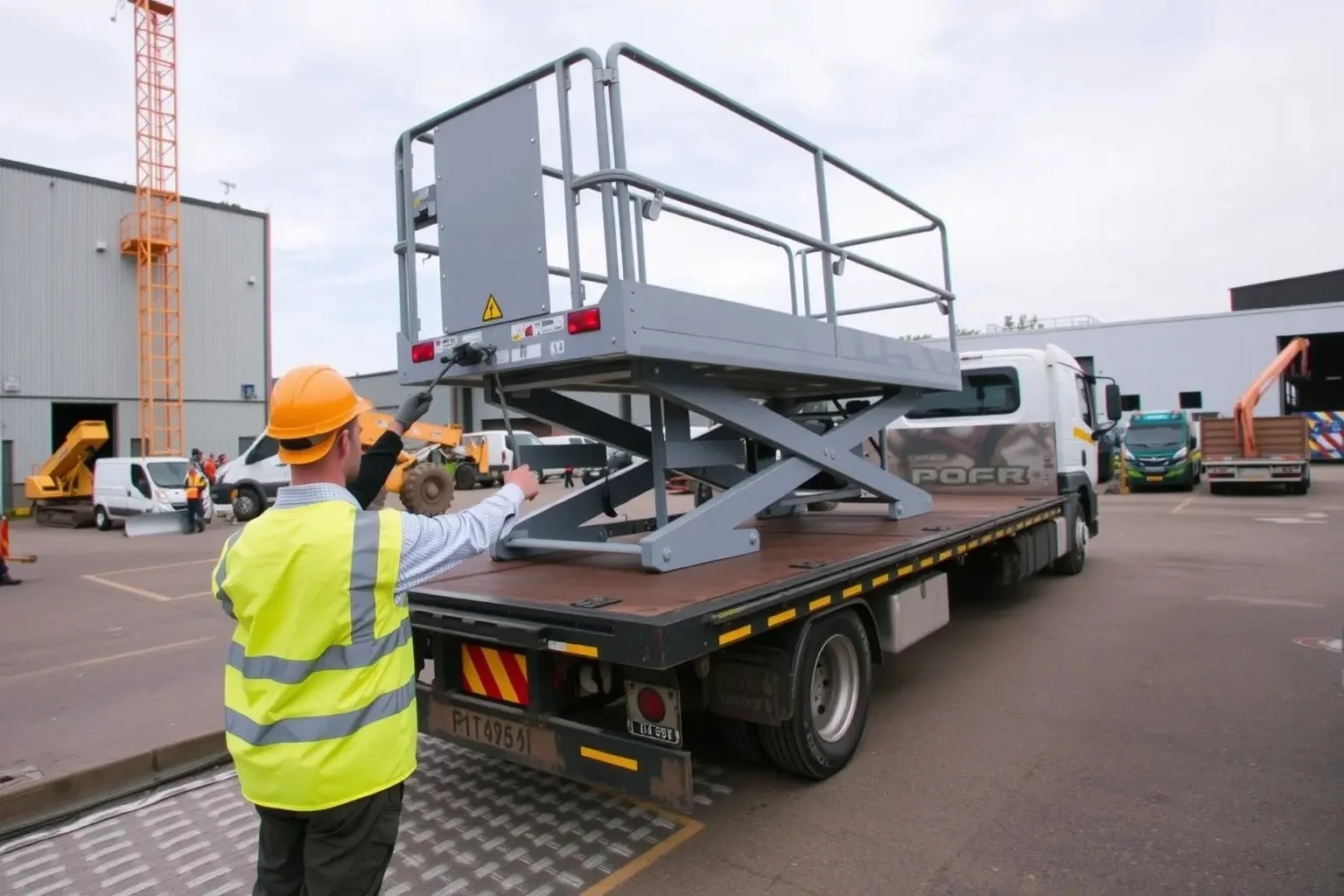
How to transport a scissor lift
Transporting a scissor lift involves a comprehensive understanding of logistics, safety, and equipment handling. Scissor lifts are invaluable tools in various industries, providing the ability to work at heights safely. However, moving them from one location to another requires careful planning and execution. This article will guide you through the key aspects of transporting a scissor lift, focusing on safety, loading, unloading, and ensuring compliance with relevant regulations.
Understanding the Scissor Lift
A scissor lift is a type of aerial work platform used to provide temporary access to high places. They are popular due to their ability to lift heavy loads and provide a stable platform for work. Understanding its weight capacity, balance, and stability is essential before you begin the transportation process.
Weight Capacity and Balance
Before transportation, it’s critical to know the weight capacity of your scissor lift. Overloading can lead to accidents during loading and unloading. Ensure that the lift is balanced properly on the trailer to prevent tipping over during transit.
Preparing for Transportation
Choosing the Right Trailer
The trailer used for transporting a scissor lift must be capable of supporting its weight and dimensions. Flatbed trailers are commonly used, but ensure that the trailer’s weight capacity exceeds the weight of the scissor lift.
Loading and Unloading
Loading and unloading are critical phases in the transportation process. Use ramps or forklifts to safely load the scissor lift onto the trailer. Ensure that the surface is level and free from obstructions. The operator should follow all guidelines to maintain control during these operations.
Securement
Once the lift is on the trailer, secure it using straps and chains. Proper securement prevents movement during transit, which could cause damage or accidents. The use of high-quality straps and chains is recommended to ensure the load remains stable.
Safety Measures
Safety is paramount when transporting heavy equipment like scissor lifts. Operators must be trained in the safe handling of the equipment and familiar with safety regulations.
Inspection and Maintenance
Before transportation, conduct a thorough inspection of the scissor lift and the trailer. Check for any signs of wear or damage that could compromise safety. Regular maintenance of the lift and trailer ensures they are in optimal condition.
Operator Guidelines
Operators must follow specific guidelines to ensure safety. This includes wearing appropriate personal protective equipment (PPE), understanding the operation of the scissor lift, and adhering to all safety protocols during loading, unloading, and transportation.
Regulations and Compliance
Transporting heavy equipment like scissor lifts is subject to various regulations. These regulations ensure the safety of the operator, other road users, and the equipment itself.
Logistics and Planning
Effective logistics and planning are crucial for the safe transportation of a scissor lift. This includes route planning, understanding road conditions, and ensuring compliance with weight limits and other regulations.
Regulatory Compliance
Ensure compliance with all relevant regulations governing the transportation of heavy equipment. This may include obtaining permits, adhering to weight restrictions, and following specific transportation guidelines set by local authorities.
Common Challenges and Solutions
Stability and Balance
Maintaining stability and balance during transportation is a common challenge. Ensure that the scissor lift is properly centered and secured on the trailer. Regularly check the securement devices during transit to ensure they remain tight.
Weather Conditions
Adverse weather conditions can pose risks during transportation. Plan for contingencies in case of rain or high winds, which can affect the stability of the load.
Equipment Malfunction
Equipment malfunction can occur unexpectedly. Regular maintenance and inspections can minimize the risk of malfunction. Have a contingency plan in place in case of equipment failure during transit.
Transporting a scissor lift safely requires careful planning, adherence to safety guidelines, and compliance with regulations. By understanding the weight capacity, ensuring proper balance and stability, and following securement procedures, you can ensure a safe and successful transport operation. Always prioritize safety and be prepared for unexpected challenges to ensure that the scissor lift reaches its destination safely and efficiently.