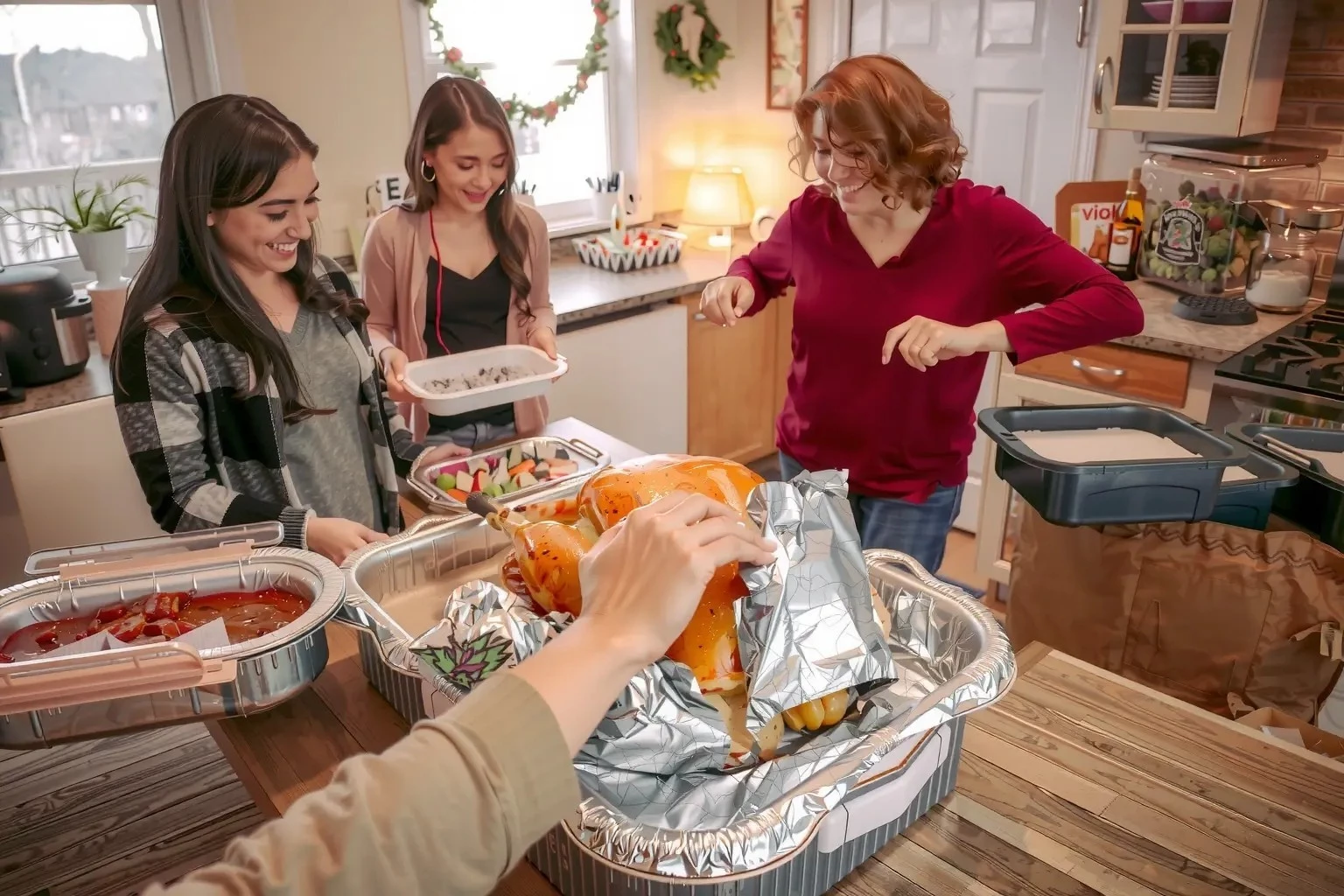
How to transport cooked turkey
The holiday season often brings family and friends together‚ and with it‚ the challenge of transporting a perfectly cooked turkey from your kitchen to the dinner table. Ensuring the turkey remains delicious and safe to eat requires careful attention to food safety‚ temperature control‚ and proper packaging. Here’s a comprehensive guide to transporting cooked turkey safely and efficiently.
Preparation and Cooking
Before you even think about transport‚ the first step is ensuring your turkey is cooked properly. Here are some key preparation tips:
- Thawing: Make sure your turkey is completely thawed before cooking. This can take several days in the refrigerator‚ depending on the size of the bird.
- Cooking: Cook the turkey to an internal temperature of 165°F (74°C). Use a meat thermometer to check the thickest parts of the turkey‚ such as the breast and thigh.
- Resting: Allow the turkey to rest for at least 30 minutes after cooking. This helps the juices redistribute‚ making for a juicier meal.
Safe Handling and Cooling
Handling food safely is crucial to prevent foodborne illnesses. Here’s how to safely handle your cooked turkey:
- Cooling: If not serving immediately‚ cool the turkey within two hours of cooking. Cut large pieces into smaller portions to speed up the cooling process.
- Storage: Store the turkey in a refrigerator set below 40°F (4°C) or freeze it if you’re planning to keep it for more than a couple of days before transport.
Packaging for Transport
Proper packaging is essential to maintain the turkey’s freshness and temperature during transport:
- Containers: Use airtight containers or heavy-duty aluminum foil to wrap the turkey. This prevents moisture loss and keeps the turkey juicy.
- Insulation: Use insulated bags or coolers to help maintain the turkey’s temperature. Add ice packs for additional cooling if the turkey is not being served immediately upon arrival.
- Secure Sealing: Ensure all containers are sealed tightly to prevent leaks and cross-contamination with other foods.
Temperature Control During Transport
Maintaining the right temperature is crucial for food safety:
- Hot Holding: If the turkey is being transported hot‚ keep it above 140°F (60°C). Use warming bags or an insulated carrier to help maintain heat during travel.
- Cold Holding: If the turkey is cold‚ keep it below 40°F (4°C). Ice packs or gel packs can help maintain a cool environment in the cooler.
Transportation Tips
Here are some tips to ensure a smooth and safe journey for your turkey:
- Plan Ahead: Map out your route and estimate travel time to minimize the duration the turkey is in transit.
- Insulation: Add extra layers of insulation if traveling long distances. Consider using additional blankets or towels around the cooler.
- Stable Positioning: Place the container or cooler in a stable position in your vehicle to prevent it from tipping over or moving during transport.
Reheating and Serving
Once you’ve arrived at your destination‚ ensure the turkey is reheated and served safely:
- Reheating: If the turkey needs to be reheated‚ do so in an oven preheated to 325°F (163°C) until the internal temperature reaches 165°F (74°C).
- Serving: Serve the turkey on a clean platter with clean utensils. Avoid leaving it out at room temperature for more than two hours.
Transporting a cooked turkey can be a challenge‚ but with the right preparation and attention to food safety‚ you can ensure it arrives in perfect condition for your holiday meal. By following these guidelines on safe handling‚ packaging‚ insulation‚ and temperature control‚ you can enjoy a delicious and worry-free dinner with your loved ones.