How is blue bell transported to stores
Blue Bell Ice Cream, renowned for its creamy texture and delightful flavors, reaches consumers across the United States through a well-orchestrated distribution system. This involves a comprehensive supply chain that ensures the ice cream remains frozen and delicious from production to retail outlets. Central to this process are logistics strategies that maintain temperature control and ensure efficient delivery.
Distribution and Logistics
The distribution of Blue Bell Ice Cream begins at their manufacturing facilities, where the ice cream is produced and packaged under stringent conditions to ensure food safety; Once packaged, the product enters the supply chain, a complex network that includes storage, transportation, and delivery.
Logistics in this context refers to the planning and execution of the transportation network that moves the ice cream from the production facilities to the warehouses and eventually to retail outlets. This requires careful coordination to ensure that the ice cream remains frozen throughout the journey.
Refrigeration and Temperature Control
Maintaining the right temperature is crucial for preserving the quality of Blue Bell Ice Cream. The ice cream is stored in refrigeration units both at the production facility and in warehouses before it is transported. These facilities are equipped with advanced temperature control systems to keep the ice cream at optimal temperatures, typically around -20°F (-29°C).
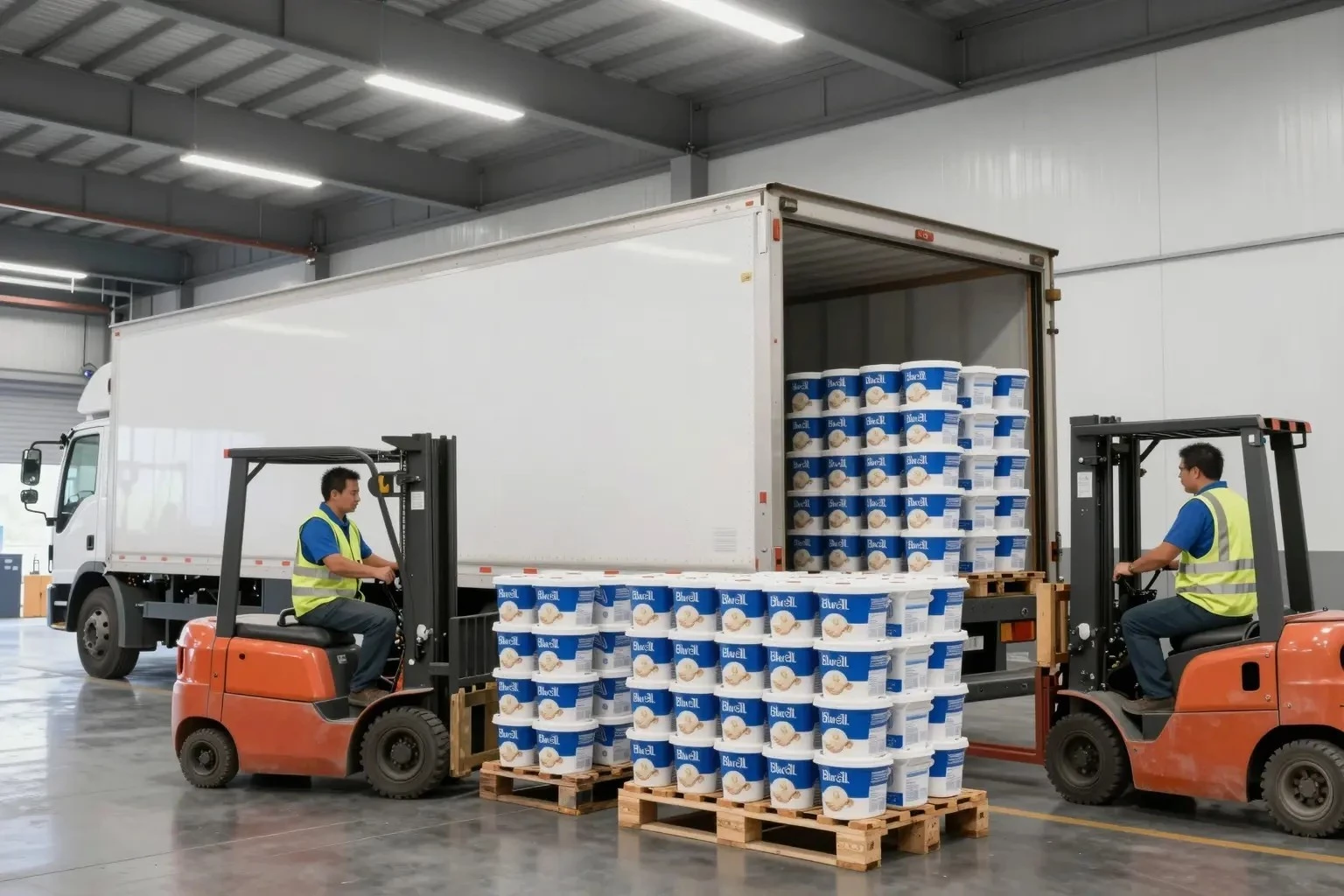
During transportation, delivery trucks equipped with refrigeration units continue to maintain the ice cream at the required temperature. These trucks are an integral part of the transportation network, ensuring that the product remains in a frozen state from the time it leaves the warehouse until it reaches the retail outlets.
Transportation Network
The transportation network for Blue Bell Ice Cream is designed to be both efficient and reliable. It consists of a fleet of refrigerated delivery trucks that are strategically routed to minimize travel time and ensure timely deliveries. These trucks are equipped with advanced temperature control systems to maintain consistent conditions within the cargo area.
Each delivery truck is part of a broader logistics system that includes route planning and scheduling to optimize delivery efficiency. This is particularly important for maintaining the integrity of frozen goods like ice cream, which are highly sensitive to temperature variations.
Packaging and Storage
The packaging of Blue Bell Ice Cream is designed not only for branding and consumer appeal but also to aid in maintaining the product’s frozen state during distribution. The packaging materials provide an additional layer of insulation, helping to keep the ice cream cold during transportation.
Once the ice cream reaches the warehouses, it is stored in refrigeration units until it is ready to be dispatched to retail outlets. Proper inventory management at the warehouse ensures that the ice cream is delivered to stores in a timely manner, maintaining a fresh supply for consumers.
Delivery to Retail Outlets
Upon reaching the retail outlets, Blue Bell Ice Cream is transferred to the store’s own refrigeration units, where it is kept until purchased by consumers. The delivery schedules are meticulously planned to ensure that stores receive their ice cream when needed, preventing any potential shortages.
Retailers rely on the efficiency of the supply management system to keep their shelves stocked with popular ice cream flavors. This requires constant communication between Blue Bell’s logistics team and the retail outlets to address any changes in demand or delivery schedules.
Supply Chain Management
Effective supply chain management is vital for ensuring that Blue Bell Ice Cream reaches consumers in perfect condition. This involves coordinating between various stakeholders, including production, warehousing, transportation, and retail. Each component of the supply chain must work seamlessly to maintain the quality and safety of the ice cream.
Advanced technologies are often employed to monitor and manage the entire distribution process. This includes tracking systems within delivery trucks and inventory management software in warehouses, all working together to optimize the supply chain.
Ensuring Food Safety
Throughout the entire distribution process, maintaining food safety is a top priority. This involves adherence to strict regulations and standards designed to prevent contamination and spoilage. The use of temperature control systems, proper packaging, and efficient logistics all contribute to ensuring that Blue Bell Ice Cream remains safe for consumption.