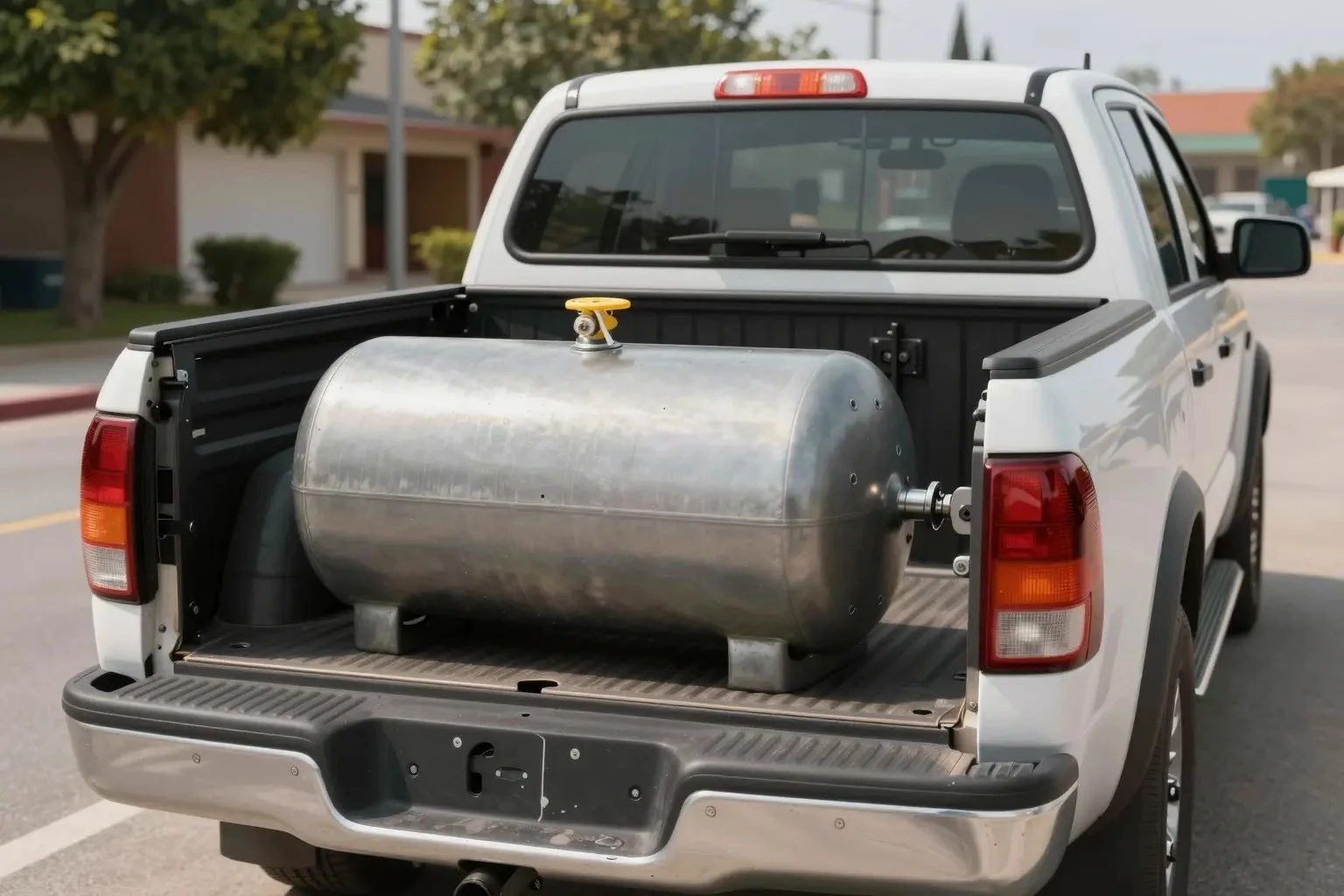
Can you transport a propane tank on its side
Transporting propane tanks safely is a significant concern due to the flammable nature of propane and the potential risks involved. This article explores the guidelines and regulations surrounding the transportation of propane tanks, specifically focusing on the question: Can you transport a propane tank on its side? We will delve into various aspects such as safety, regulations, and best practices to ensure safe handling and transportation.
Understanding Propane Tanks and Their Importance
Propane is a widely used fuel source known for its versatility and efficiency. It is commonly used in residential, commercial, and industrial settings for heating, cooking, and powering various equipment. Propane is stored in tanks, which are pressurized containers designed to hold the gas in a liquid state. These tanks come in various sizes and are classified as hazardous materials due to the flammable nature of propane.
Why Safety is Paramount in Transporting Propane
The transportation of propane tanks involves inherent risks due to the pressurized and flammable nature of the gas. Ensuring safety during transportation is crucial to prevent accidents, leakage, or explosions. Therefore, strict regulations and guidelines are in place to mitigate these risks and ensure the safe handling and transportation of propane tanks.
Regulations and Guidelines for Transporting Propane Tanks
Transporting propane tanks is subject to stringent regulations governed by various agencies, including the Department of Transportation (DOT) in the United States. These regulations are designed to ensure safety and prevent incidents during transportation.
DOT Regulations for Propane Tank Transportation
The DOT has established guidelines for the transportation of hazardous materials, including propane tanks. These regulations mandate that propane tanks must be transported in an upright position to ensure stability and prevent potential leakage. Transporting a tank on its side can lead to increased pressure in the cylinder and may cause the safety relief valve to malfunction, posing significant risks.
Key DOT Guidelines Include:
- Propane tanks must be transported in an upright position.
- Tanks should be securely fastened to prevent movement during transportation.
- Vehicles transporting propane tanks must have proper ventilation to prevent gas accumulation.
- Avoid transporting tanks in enclosed spaces where propane leakage could lead to dangerous concentrations.
Practical Considerations for Safe Propane Tank Transportation
Transporting propane tanks involves not only adhering to regulatory requirements but also following practical safety measures to minimize risks. Here are some essential considerations to ensure safe transportation:
Ensuring Proper Securing and Stability
When transporting propane tanks, it is crucial to ensure they are securely fastened in an upright position. This prevents the tanks from tipping over or shifting during transit, which could cause damage or leakage. Use appropriate securing mechanisms such as straps or brackets to keep the tanks stable.
Maintaining Adequate Ventilation
Ventilation is a critical aspect of transporting propane tanks. Vehicles transporting these tanks must have sufficient airflow to prevent the accumulation of propane vapors. In case of a leak, proper ventilation helps dissipate the gas, reducing the risk of fire or explosion.
Inspecting Tanks for Damage or Leakage
Before transporting propane tanks, it is essential to inspect them for any signs of damage, corrosion, or leaks. Ensure that the valves and connections are secure and functioning correctly. If any issues are detected, the tank should not be transported until it has been repaired or replaced.
Legal Implications and Penalties
Failure to comply with transportation regulations for propane tanks can result in severe penalties and legal consequences. These may include fines, suspension of transportation privileges, and increased liability in the event of an accident. It is crucial for individuals and businesses involved in transporting propane to understand and adhere to all applicable laws and guidelines.
Understanding the Importance of Compliance
Compliance with transportation regulations is not only a legal obligation but also a critical component of ensuring public safety. By following established guidelines, individuals and businesses can minimize risks and protect themselves, their employees, and the general public from potential hazards associated with propane transportation.
Transporting propane tanks requires careful attention to safety and adherence to regulatory guidelines. Transporting a propane tank on its side is not recommended due to the potential risks it poses, such as increased pressure and the possibility of leakage. By following DOT regulations and implementing best practices for securing and ventilating tanks, individuals and businesses can ensure the safe and compliant transportation of propane.
Always remember that safety is paramount, and understanding the laws and guidelines governing the transportation of hazardous materials like propane is essential to prevent accidents and ensure the well-being of everyone involved.