How to transport a canoe on a truck
Transporting a canoe on a truck requires careful planning and the right equipment to ensure the safety and security of both the canoe and the vehicle. Whether you are heading out for a serene paddle or embarking on a longer journey, securing your canoe properly is paramount.
Choosing the Right Transport Method
When transporting a canoe, you have a couple of options depending on the type of truck you own and the equipment available to you. The most common methods include using a roof rack, a hitch-mounted carrier, or utilizing the truck bed. Each method offers different benefits in terms of stability and ease of loading and unloading.
Using a Roof Rack
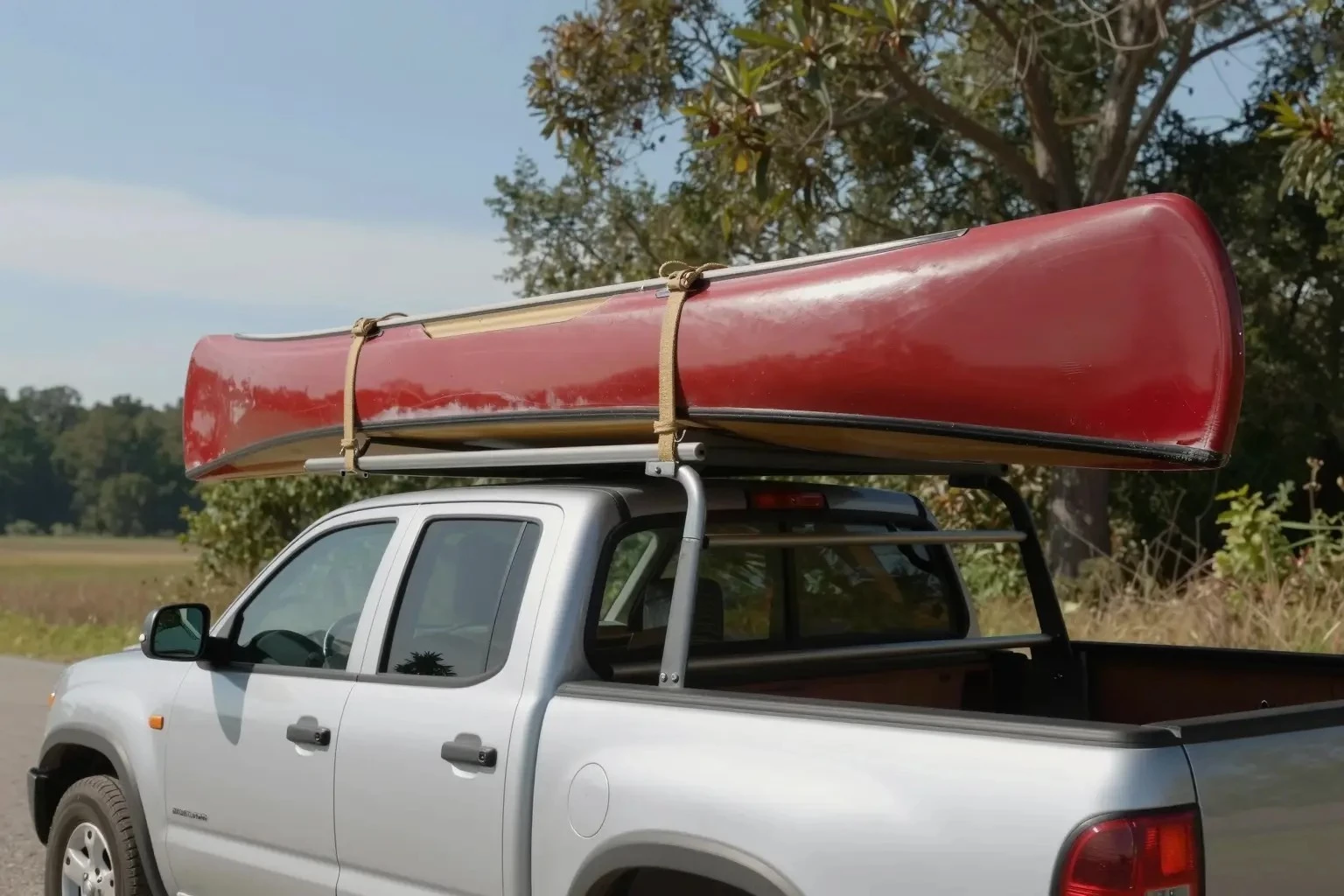
A roof rack is a versatile option for transporting a canoe. It keeps the bed of your truck free for other gear and provides a stable platform for the canoe. Here are some tips for using a roof rack:
- Ensure the Roof Rack is Secure: Before loading the canoe, make sure the roof rack is tightly secured to the vehicle. This provides the necessary support for the weight and movement of the canoe.
- Use Padding: To protect both the canoe and the roof of your vehicle, place padding between the canoe and the roof rack. This prevents scratches and provides additional grip.
- Proper Placement: Position the canoe centrally on the roof rack to maintain balance and stability during transport. The canoe should be evenly distributed over the support bars.
- Secure with Straps: Use strong tie-downs or straps to secure the canoe. Ensure the straps are tight enough to prevent movement but not so tight that they damage the canoe.
Using a Hitch-Mounted Carrier
Hitch-mounted carriers are another excellent option for transporting canoes, especially for trucks without roof racks. These carriers attach to the hitch of your truck and provide an extended support system for the canoe.
- Check Hitch Compatibility: Ensure your truck’s hitch can support the weight of the canoe and carrier. Most standard hitches are adequate, but double-check weight limitations.
- Loading and Unloading Ease: Hitch-mounted carriers can make loading and unloading easier, as they are closer to the ground compared to roof racks.
- Stability and Security: Similar to roof racks, use straps to secure the canoe to the carrier. Cross-strapping can help improve stability during transport.
Utilizing the Truck Bed
If your truck has a sufficiently long bed, it may be possible to transport your canoe directly in the bed. This method is straightforward and requires minimal additional equipment.
- Bed Length: Ensure your truck bed is long enough to support the majority of the canoe’s length. This is crucial for stability.
- Use Padding: Just like with roof racks, padding is essential to protect the canoe from scratches and the truck bed from damage.
- Secure the Canoe: Use tie-downs to secure the canoe within the bed. Look for anchor points within the bed to ensure it is securely fastened.
Safety Tips for Canoe Transport
Safety is paramount when transporting a canoe. Here are some essential safety tips to consider:
- Regularly Check Straps: During your journey, periodically check the tightness of your straps. They can loosen over time, especially on longer trips.
- Monitor Canoe Movement: Ensure that the canoe does not shift during transport. Movement can indicate improper placement or loosened straps.
- Drive Carefully: The added height and length of the canoe can affect your vehicle’s aerodynamics and handling. Drive carefully, especially in windy conditions.
Loading and Unloading the Canoe
Loading and unloading the canoe requires care to avoid damage and ensure personal safety.
- Use Assistance: Whenever possible, have someone help with the loading and unloading process. Canoes can be unwieldy, and having another person can prevent accidents.
- Lift with Your Legs: To prevent injury, lift with your legs rather than your back. This is especially important when handling heavy equipment.
- Plan Your Path: Before lifting, plan the path you will take to load or unload the canoe. Ensure there are no obstacles that could cause tripping or dropping.
Choosing the Right Equipment
Choosing the right equipment is essential for a successful transport experience.
- Quality Straps and Tie-Downs: Invest in high-quality straps that are designed for transporting canoes or similar loads. These provide better security and peace of mind;
- Padding Materials: Use durable padding materials that can withstand the pressure and friction between the canoe and the vehicle.
- Reliable Roof Rack or Carrier: If using a roof rack or hitch carrier, ensure they are designed to handle the weight and size of a canoe.
Transporting a canoe on a truck can be a seamless process with the right approach and equipment. Whether you choose a roof rack, hitch-mounted carrier, or utilize the truck bed, ensuring the canoe is securely fastened and stable throughout your journey is crucial. Follow the safety tips and best practices outlined above to enjoy a worry-free trip to your favorite paddling destination.