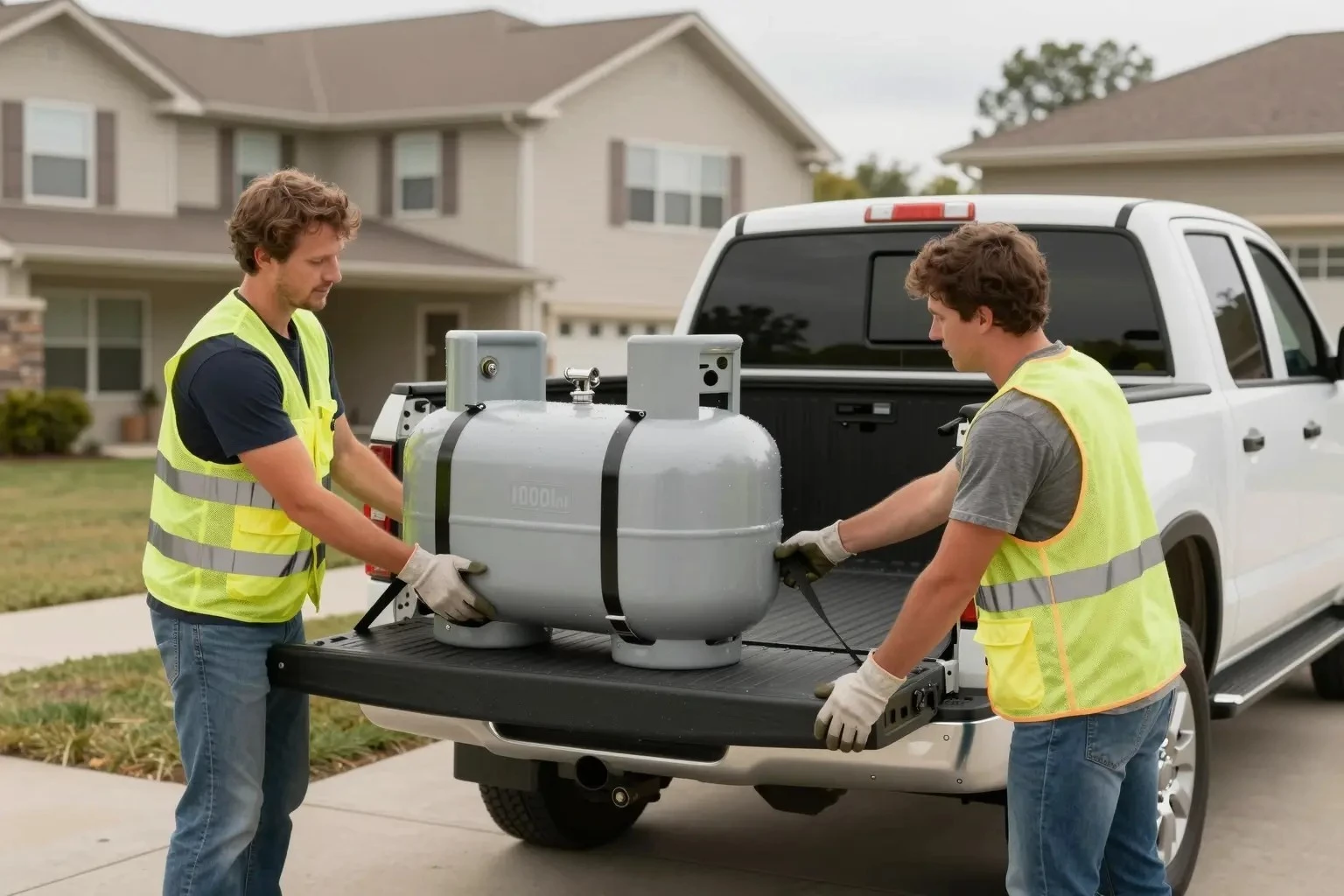
How to transport 100lb propane tank
Transporting a 100lb propane cylinder requires diligent attention to safety guidelines and transportation regulations to ensure safe handling and transit. Propane is a flammable gas, and improper handling can pose significant risks. This guide covers important considerations for safely transporting a 100lb propane tank.
Safety Guidelines
Before handling a propane cylinder, familiarize yourself with basic safety measures:
- Always wear protective gloves to prevent injuries.
- Ensure the cylinder’s valve protection cap is securely in place to prevent accidental discharge.
- Handle the cylinder with care, as rough handling can damage the tank or the valve.
Transportation Regulations
Compliance with DOT regulations (Department of Transportation) is crucial when transporting propane cylinders:
- The cylinder should be transported in an upright position to maintain its stability and minimize the risk of leaks.
- Ensure the cylinder is inspected and properly labeled as per DOT guidelines.
- Be aware of weight restrictions; ensure your vehicle can safely carry the load.
Secure Loading
Proper loading of the propane cylinder is essential for safe transportation:
- Choose a suitable vehicle type that can accommodate the cylinder securely.
- Use tie-down straps to secure the cylinder in place, preventing movement during transit.
- Pay attention to weight distribution to maintain vehicle balance and control.
Lifting Techniques
Proper lifting techniques can prevent injuries and ensure safe handling:
- Use your legs, not your back, to lift the cylinder.
- If possible, use a dolly or cart to assist with transportation to and from the vehicle.
Proper Ventilation
Ventilation is crucial when transporting propane cylinders:
- Ensure the vehicle is well-ventilated to prevent the buildup of gas fumes.
- Avoid transporting cylinders in enclosed spaces without proper ventilation.
Emergency Procedures
Be prepared for emergencies by following these guidelines:
- Know the location of the nearest emergency response team or fire department.
- Have a fire extinguisher rated for flammable gas on hand.
- In case of a leak, evacuate the area and contact emergency services immediately.
Additional Considerations
Lastly, ensure the propane cylinder is transported without interference to your vehicle’s fuel tank:
- Avoid placing the cylinder near the vehicle’s fuel tank to reduce risk in case of an accident.
- Check for any leaks before and after transport by using soapy water on the valve and connections.
By following these guidelines, you can safely transport a 100lb propane cylinder while adhering to regulations and ensuring both personal and public safety.