How do you transport bees
Transporting bees is a critical aspect of modern beekeeping and essential for maintaining healthy colonies, ensuring effective pollination, and supporting sustainable agriculture. Whether relocating an entire apiary or moving a single hive, understanding the logistics of bee transportation is vital for beekeepers.
Preparing for Bee Transportation
Before embarking on the journey, thorough preparation is essential. This involves ensuring the safety and comfort of the bees during transit. Here are key considerations:
- Hive Inspection: Ensure the beehive is in good condition, with no cracks or openings that could allow bees to escape or be exposed to external conditions.
- Colony Health: Assess the health of the colony and address any issues such as pests or diseases prior to travel.
- Ventilation: Proper ventilation is crucial to prevent overheating and suffocation. Include mesh screens to facilitate airflow while keeping the bees contained.
- Temperature Control: Transporting during cooler periods of the day helps maintain a stable temperature within the hive.
Logistics of Bee Transportation
Effective logistics ensure the safe and efficient transport of bees. Here are important logistical considerations:
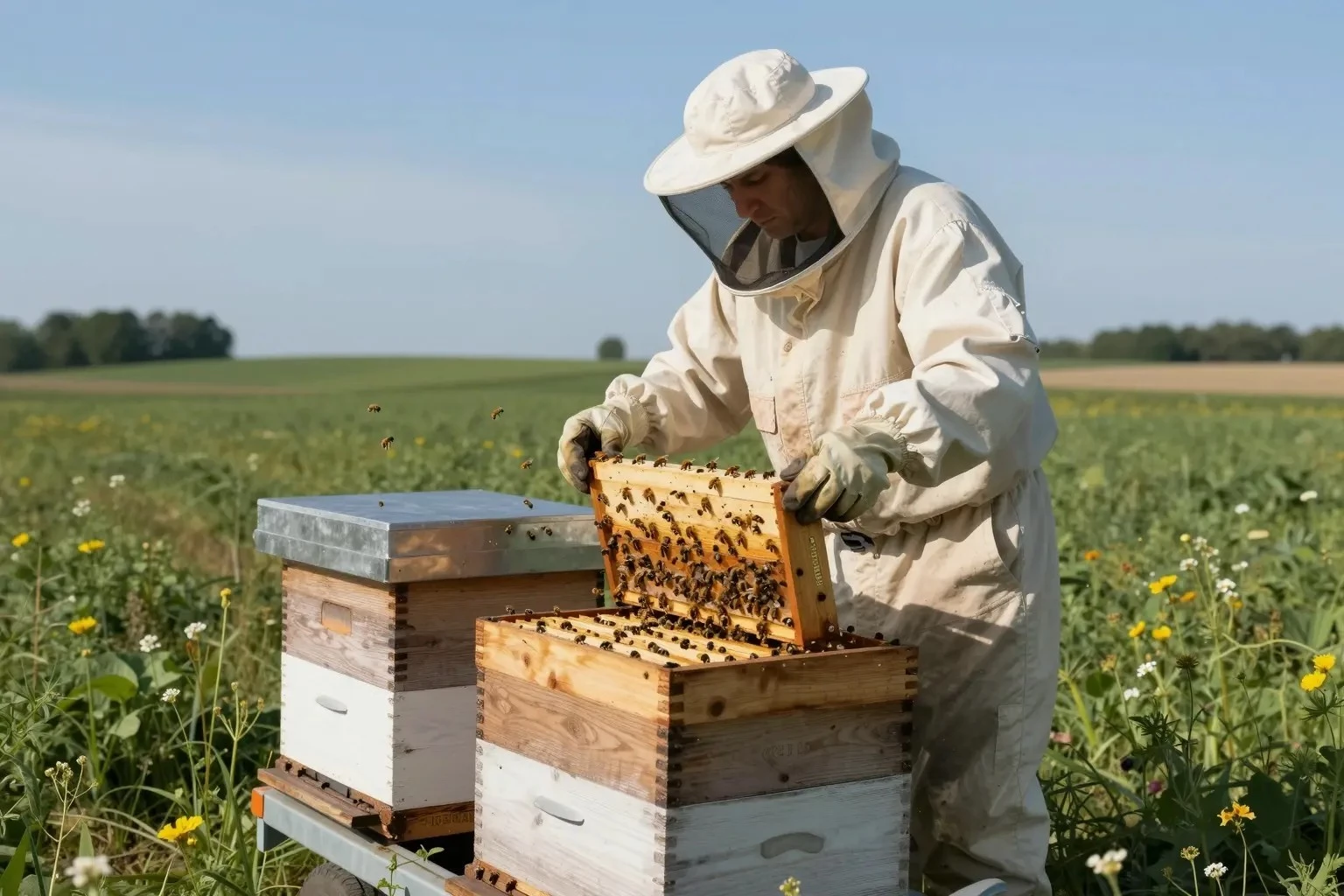
- Equipment: Utilize suitable equipment such as a bee trailer designed to secure multiple hives and provide stability during transit.
- Route Planning: Plan the route to avoid rough terrains and minimize travel time, reducing stress on the bees.
- Timing: Transporting bees during the night or early morning when they are less active minimizes disturbance.
Ensuring Bee Safety and Protection
Safety measures are paramount to protect both the bees and the environment during transportation:
- Swarm Prevention: Secure entrances to prevent swarms from exiting during transport.
- Protection from Elements: Shield the hive from direct sunlight, rain, and wind during the journey.
- Secure Fastening: Ensure that all hives are securely fastened to prevent movement that could harm the bees.
Bee Relocation and Pollination
Relocation is often necessary to position bees near floral resources for effective pollination. This not only supports agriculture but also ensures the sustainability of the ecosystem. When relocating:
- Site Selection: Choose locations with abundant floral resources to support the nutritional needs of the colony.
Transportation Challenges and Solutions
Transporting bees poses several challenges that require innovative solutions:
- Temperature Fluctuations: Use insulated covers to mitigate extreme temperature changes.
- Ventilation Issues: Balance airflow to prevent overheating while avoiding excessive exposure to cold air.
- Stress Reduction: Minimize vibration and noise to reduce stress on the bees.
Beekeeping and Sustainability
Bee transportation is integral to sustainable beekeeping practices, contributing to the health of the ecosystem and the production of honey. By following best practices, beekeepers can ensure the wellbeing of their colonies during transit:
- Regular Monitoring: Keep an eye on the bees before, during, and after relocation to address any issues promptly;
- Collaboration with Farmers: Work with agriculture professionals to optimize pollination and enhance crop yields.
- Education and Training: Stay informed about the latest techniques and technologies in bee transportation.
Transporting bees is a complex but essential aspect of beekeeping. By prioritizing safety, effective logistics, and sustainable practices, beekeepers can ensure successful relocation and contribute to the health and productivity of their colonies. Whether for pollination or honey production, careful planning and execution are key to a harmonious journey for these vital pollinators.