What is non motorised transport
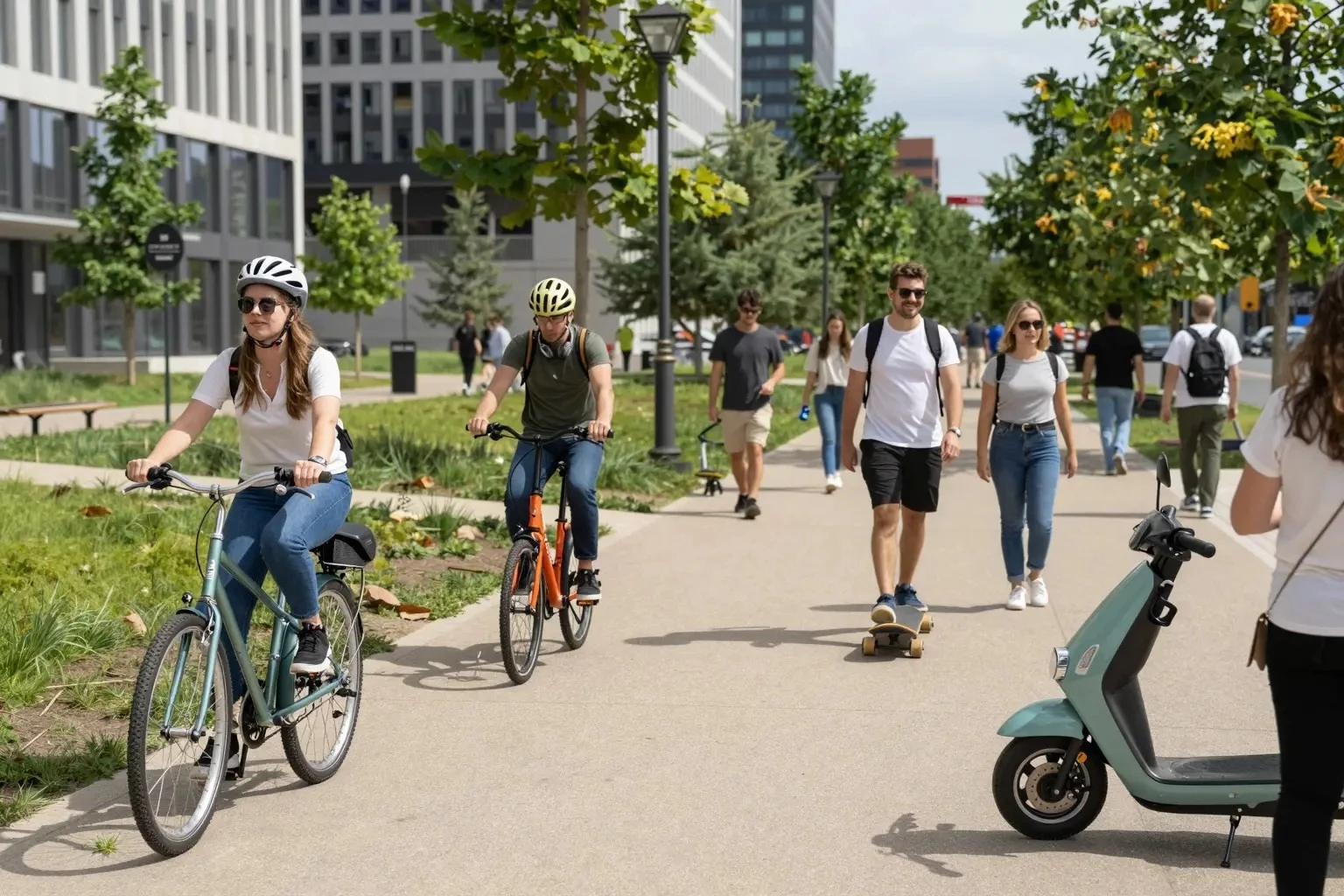
Non-motorised transport (NMT) refers to modes of travel that do not involve motor vehicles. It primarily includes bicycles and walking‚ both of which are essential components of a sustainable urban mobility strategy. With increasing awareness of the need for sustainable travel options‚ NMT is gaining traction as a viable alternative to traditional motorised transportation.
The Importance of Pedestrian Infrastructure
Pedestrian infrastructure is crucial for facilitating non-motorised transport. Well-designed footpaths‚ crosswalks‚ and pedestrian zones enhance safety and accessibility for walkers. Urban planners must prioritize the development of pedestrian-friendly environments to encourage walking as a mode of transport.
Public Transportation and Its Role
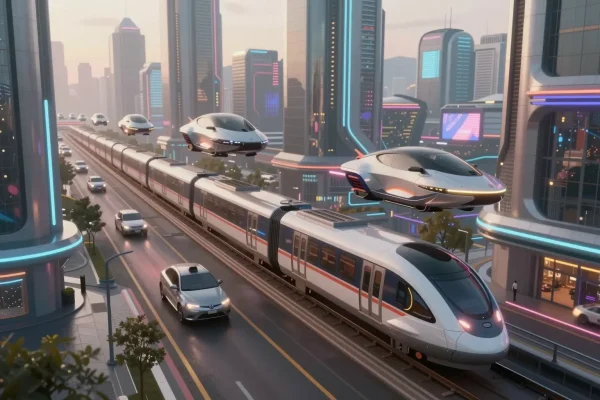
Public transportation systems complement non-motorised transport by providing a flexible‚ multimodal network that reduces reliance on personal vehicles. Effective integration of transit systems and NMT can significantly alleviate traffic congestion and improve urban mobility.
Advancing Sustainable Travel through Cycling Paths
Cycling paths are an integral part of promoting eco-friendly travel. Designated lanes for cyclists ensure safety and encourage more people to consider cycling as a sustainable mode of transport. Cities investing in cycling infrastructure see a marked increase in bicycle usage‚ contributing to emissions reduction.
Promoting Active Transport
Active transport refers to physical activity as a means of travel‚ primarily through walking and cycling. This form of transport not only reduces environmental impact but also provides significant health benefits to individuals. Regular physical activity improves cardiovascular health and reduces the risk of chronic diseases.
Urban Planning and Mobility
Effective urban planning is essential for developing a transportation network that accommodates non-motorised modes. Planners must consider factors such as connectivity‚ safety‚ and convenience to create an environment conducive to NMT. The integration of non-motorised and motorised transport systems enhances overall mobility within cities.
Alternative Transportation Solutions
Alternative transportation methods‚ such as bike sharing programs‚ offer flexible and accessible options for urban commuters. These systems provide a practical alternative to car ownership‚ especially in dense urban areas where space is limited. City planning must incorporate these solutions to support sustainable travel initiatives.
Addressing Traffic Congestion with Green Travel
Green travel initiatives aim to reduce the adverse effects of traffic congestion and air pollution. By promoting NMT and improving public transportation networks‚ cities can decrease the number of vehicles on the road‚ leading to a cleaner and more efficient urban environment.
Environmental Impact and Emissions Reduction
The adoption of non-motorised transport significantly contributes to emissions reduction. By reducing dependence on fossil fuels‚ NMT helps lower greenhouse gas emissions‚ thereby mitigating climate change and improving air quality. This shift towards eco-friendly transport modes is crucial for sustainable urban development.
Non-motorised transport plays a vital role in creating sustainable‚ livable cities. By investing in pedestrian infrastructure‚ cycling paths‚ and integrated transit systems‚ urban planners can enhance mobility and reduce environmental impact. As cities continue to grow‚ embracing NMT as a cornerstone of urban transportation strategy will be essential for reducing traffic congestion‚ improving public health‚ and fostering a greener future.