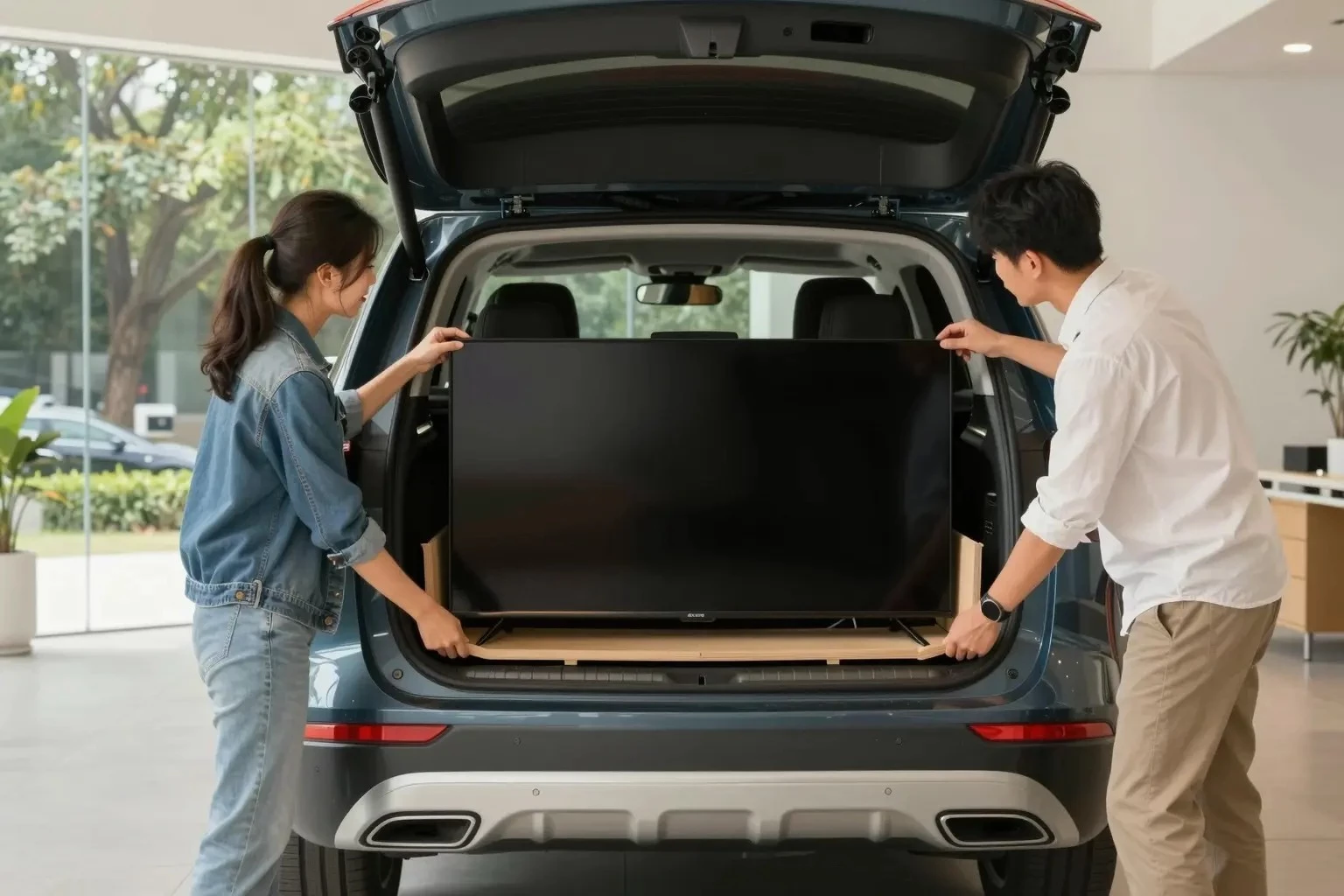
Can you lay a tv flat to transport
Transporting a TV‚ especially modern flat screens like LCD and LED models‚ requires careful handling to prevent screen damage and ensure safe transport. This article explores whether it’s possible to lay a TV flat during transport and provides essential TV care tips for moving fragile electronics.
Understanding the Risks of Laying a TV Flat
When considering how to move a TV‚ one of the most common questions is whether it’s safe to lay the TV flat. The short answer is: it’s generally not recommended. Here’s why:
- Screen Damage: Laying a TV flat can increase the risk of screen damage‚ as the weight is distributed unevenly‚ potentially leading to cracks or warping of the display panel.
- Structural Integrity: Flat screen TVs are designed to stand upright. Their structural integrity can be compromised when laid flat‚ especially during transportation where bumps and vibrations are common.
- Internal Components: The components inside a TV‚ such as circuit boards and the display panel‚ could shift or become damaged if the TV is laid flat.
Safe Transporting and Moving TV Guidelines
To ensure the safe transport of your flat screen TV and maintain screen integrity‚ consider these television handling and transportation methods:
Using a TV Box
The best way to transport a TV is by using its original TV box‚ which is designed specifically for that model and includes custom-fit foam inserts. If you don’t have the original packaging‚ you can purchase a TV box from moving and packing supply stores.
Proper Packing Techniques
- Padding: Use plenty of padding to protect the screen. Bubble wrap and foam sheets are ideal for cushioning.
- Securing: Secure the TV inside the box with additional padding to prevent movement during transport.
- Labeling: Clearly label the box as “Fragile” and indicate which side should remain upright.
Transportation Methods
When moving a TV‚ especially during long-distance moves or shipping‚ consider these methods:
- Upright Position: Always keep the TV in an upright position to maintain screen integrity and avoid strain on the display panel.
- Vehicle Placement: Place the TV securely in the vehicle‚ ensuring it won’t shift or fall during transport. Use straps or bungee cords for added stability.
- Professional Movers: If possible‚ hire professional movers experienced in handling and transporting fragile electronics.
TV Protection and Care
Properly caring for your flat screen TV during transport is crucial for maintaining its functionality and appearance. Follow these TV guidelines for optimal protection:
Inspect Before Moving
Before moving the TV‚ inspect it for any pre-existing damage. Taking photos can serve as a reference in case of accidental damage during transport.
Remove Accessories
Remove all accessories‚ such as stands‚ cables‚ and remote controls‚ before packing. This reduces the risk of damage to both the TV and the accessories.
Climate Considerations
Avoid exposing the TV to extreme temperatures during transport. LCD and LED screens can be sensitive to heat and cold.
While the convenience of laying a TV flat might seem appealing‚ especially when dealing with limited space during a move‚ it is generally advised against due to the potential for screen damage and compromised structural integrity. By following best practices for TV care‚ using appropriate TV boxes‚ and ensuring safe transportation methods‚ you can protect your flat screen TV and enjoy its longevity and performance. Always remember‚ proper television handling is key to preserving the quality and functionality of fragile electronics.