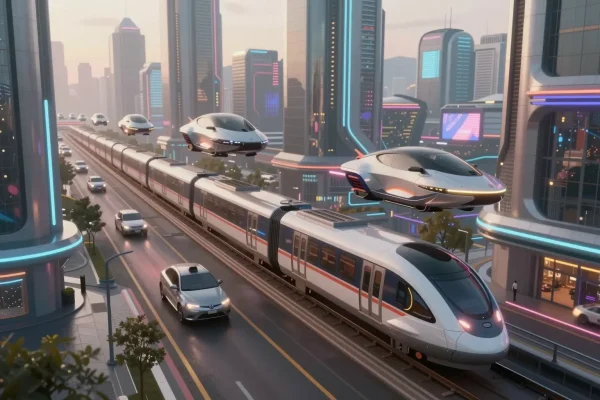
A city department of transportation studies traffic
Urban environments are complex ecosystems where infrastructure plays a pivotal role in maintaining the flow of people and goods. A city’s Department of Transportation (DoT) is at the heart of this system‚ studying traffic to enhance urban planning and mitigate congestion. This article delves into how such departments analyze traffic flow‚ propose mobility solutions‚ and implement transportation policies to improve urban life.
Understanding Traffic Flow and Congestion
Traffic flow is a critical aspect of urban mobility. It refers to the movement of vehicles and pedestrians through a city’s infrastructure. Congestion‚ on the other hand‚ occurs when demand for road space exceeds its capacity‚ leading to slower speeds and longer travel times. By studying commuter patterns and vehicle counts‚ the DoT can identify bottlenecks and develop strategies to enhance traffic flow.
The Role of Infrastructure Development
Infrastructure development is essential for addressing congestion. This includes expanding road networks‚ constructing new cycling lanes‚ and upgrading public transit systems. By improving infrastructure‚ cities can accommodate increasing travel demand and reduce reliance on private vehicles. This shift not only alleviates congestion but also promotes sustainable transportation options.
Public Transit and Its Impact
Public transit systems are vital components of urban mobility solutions. They offer an efficient alternative to private cars‚ reducing the number of vehicles on the road. Investment in public transit infrastructure‚ such as buses and metro lines‚ can significantly improve traffic flow and decrease congestion. Moreover‚ it provides an equitable transportation option for all socioeconomic groups.
Enhancing Road Safety
Road safety is another crucial focus of DoT studies. By analyzing traffic signals‚ pedestrian movement‚ and vehicle interactions‚ departments can identify high-risk areas and implement safety measures. This includes installing better signage‚ improving lighting‚ and designing safer intersections to protect both drivers and pedestrians.
Cycling Lanes and Pedestrian Pathways
Encouraging non-motorized transport modes is integral to urban planning. Cycling lanes and pedestrian pathways offer safe travel options and reduce vehicle count on roads. By promoting cycling and walking‚ cities can improve public health‚ reduce emissions‚ and enhance the quality of urban life.
Analyzing Commuter Patterns
Understanding commuter patterns is essential for effective transportation planning. By studying how people move through a city‚ the DoT can tailor solutions to meet the specific needs of its residents. This includes optimizing public transit routes‚ adjusting traffic signal timings‚ and predicting future travel demand.
Implementing Transportation Policy
Effective transportation policy is critical for managing urban mobility. Policies that encourage the use of public transit‚ support infrastructure development‚ and promote road safety can create a more efficient and sustainable transportation system. Additionally‚ policies that regulate vehicle emissions and promote alternative energy sources contribute to a cleaner urban environment.
Technology and Traffic Management
Advances in technology have revolutionized traffic management. Intelligent transportation systems (ITS) use data analytics‚ real-time monitoring‚ and automated traffic signals to optimize traffic flow. These systems enable the DoT to respond quickly to congestion and improve road safety.
Challenges and Future Directions
Despite these efforts‚ challenges remain. Urban areas continue to grow‚ placing additional strain on infrastructure. The DoT must continuously adapt to changing conditions‚ incorporating new technologies and strategies to stay ahead of congestion and safety issues. Future directions may include the integration of autonomous vehicles‚ improved data collection methods‚ and enhanced public engagement in transportation planning.
A city’s Department of Transportation plays a crucial role in studying traffic and improving urban mobility. Through infrastructure development‚ public transit enhancements‚ and strategic policy implementation‚ the DoT works to reduce congestion‚ improve road safety‚ and meet the evolving needs of urban populations. As cities continue to grow‚ the importance of comprehensive traffic studies and innovative solutions will only increase‚ ensuring vibrant and sustainable urban environments for generations to come.