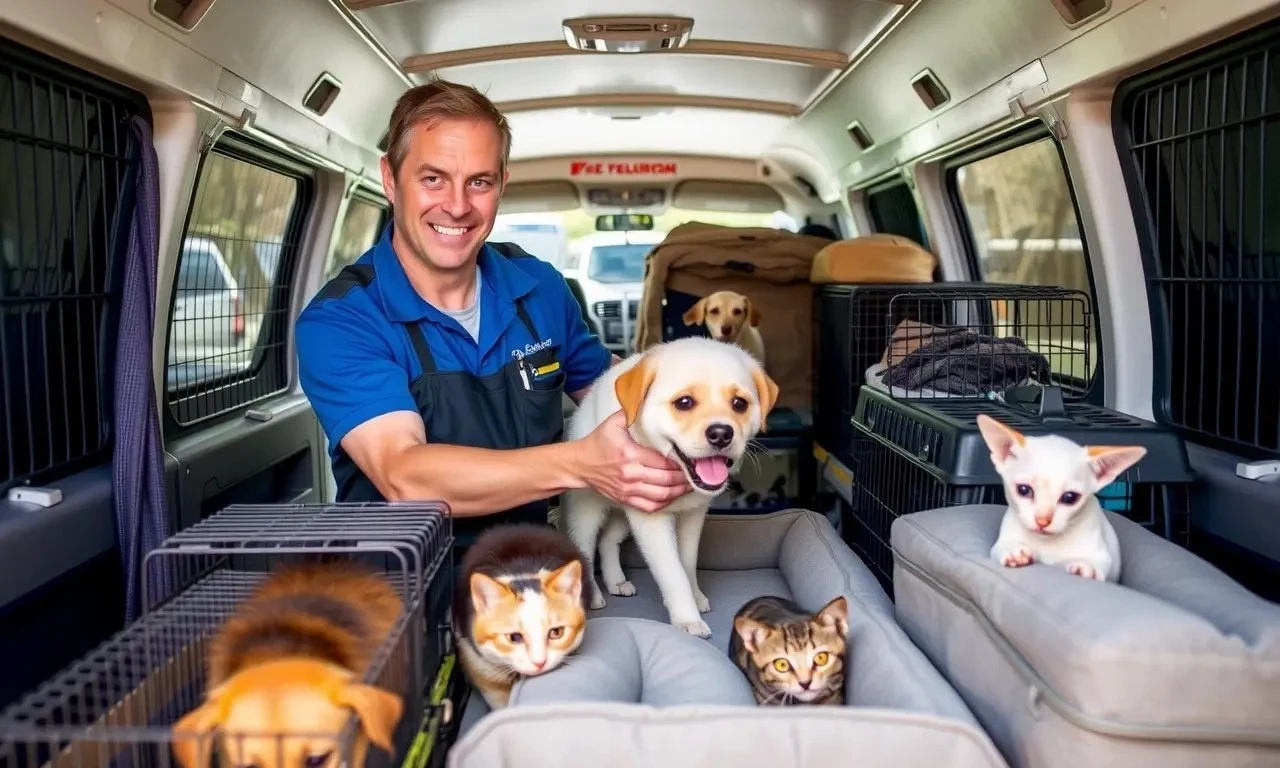
How to become an animal transporter
Embarking on a career as an animal transporter involves a unique set of skills and knowledge, encompassing logistics, animal handling, and transportation services. This article outlines the path to becoming a proficient animal transporter, highlighting key aspects such as certifications, safety regulations, and client communication.
Understanding the Role
The role of an animal transporter is paramount in ensuring the safe and humane movement of animals, whether for pet relocation, livestock transportation, or other purposes. This involves understanding animal welfare laws, vehicle requirements, and industry standards.
Essential Certifications and Permits
To operate as an animal transporter, acquiring the necessary certifications and permits is crucial. This often includes obtaining licenses that validate your capability to handle various species, ensuring compliance with animal welfare and safety regulations.
Vehicle Requirements
Vehicles used in animal transportation must meet specific requirements to ensure safety and comfort. This includes proper ventilation, temperature control, and secure areas for different animal types. Regular equipment maintenance is essential to prevent breakdowns and ensure reliability.
Logistics and Scheduling
Effective logistics and scheduling are vital components of animal transportation; This involves planning travel routes that minimize stress for the animals and adhere to quarantine procedures if necessary.
Client Communication
Clear and consistent client communication is fundamental. This includes updating clients on the status of their animals, discussing specific needs, and handling any concerns that arise during transportation.
Emergency Protocols
Having solid emergency protocols in place is essential to address unforeseen circumstances. This can include preparedness for medical emergencies or mechanical failures during transit.
Animal Handling and Behavior
Understanding animal behavior is crucial for minimizing stress and ensuring the safety of both the animals and handlers. Proper animal handling techniques help in managing animals during loading, transit, and unloading.
Insurance and Risk Management
Comprehensive insurance coverage is necessary to protect against potential liabilities. This ensures peace of mind for both the transporter and the client in case of accidents or unforeseen events.
Industry Standards and Best Practices
Adhering to industry standards and best practices is essential for maintaining professionalism and credibility. Staying informed about the latest developments in animal transportation can enhance service quality and compliance.