how to transport kayak
Transporting a kayak requires careful planning and the right equipment to ensure safety and ease. Whether you’re heading to a serene lake or a fast-moving river, getting your kayak to the water unharmed is crucial. This guide covers everything from kayak transportation methods to securing your kayak properly.
Methods of Kayak Transportation
Roof Rack
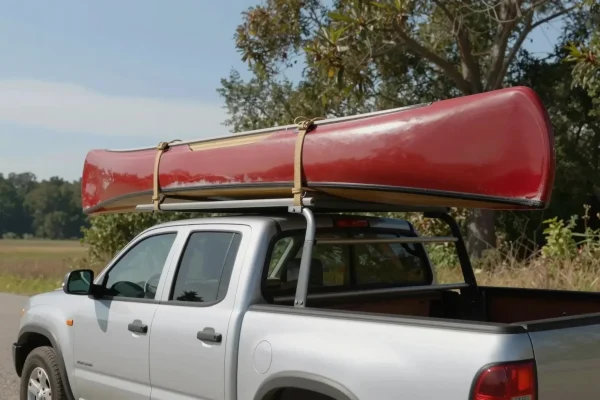
A roof rack is one of the most popular ways to transport a kayak. It involves attaching a specialized rack to the roof of your vehicle, which supports the kayak during transport. Roof racks are ideal for vehicles with solid roof space and are compatible with various kayak sizes.
Advantages of Using a Roof Rack:
- Convenient and easy access to the kayak.
- Leaves the vehicle’s interior space free for other gear.
- Sturdy and reliable for long-distance travel.
Kayak Trailer
If you have multiple kayaks or a larger kayak, a kayak trailer might be the best option. Kayak trailers are designed to carry several kayaks at once and attach to the back of your vehicle, providing a stable and secure method of transport.
Benefits of a Kayak Trailer:
- Can carry multiple kayaks.
- Easy loading and unloading process.
- Reduces wear and tear on the vehicle’s roof.
Foam Blocks
For a budget-friendly option, foam blocks can be used to cushion the kayak on your vehicle’s roof. These blocks are placed between the kayak and the roof, providing a protective barrier that prevents scratches and damage.
Why Use Foam Blocks:
- Affordable and easy to install.
- Lightweight and portable.
- Compatible with most vehicle types.
Kayak Cart
A kayak cart is not for transporting on roads but is useful for moving your kayak from your vehicle to the water. These carts have wheels and can be easily attached to the kayak, allowing for easy maneuvering over various terrains.
Kayak Cart Benefits:
- Reduces physical strain when moving the kayak.
- Ideal for solo paddlers.
- Compact and easy to store when not in use;
Proper Loading and Securing of the Kayak
Proper Loading Techniques
Proper loading of the kayak onto your chosen transport method is crucial to avoid damage to the kayak and ensure safety on the road.
- Check Vehicle Compatibility: Ensure that your vehicle can support the weight and dimensions of your kayak and the chosen transport method.
- Use a Kayak Carrier: Utilize a kayak carrier designed to fit your kayak’s shape and size. This will provide additional stability during transport.
- Balance the Load: Position the kayak centrally on the roof rack or trailer to maintain balance and prevent shifting.
Securing the Kayak
Once loaded, securing the kayak is vital to avoid accidents and ensure it remains in place during transit.
- Tie-Down Straps: Use high-quality tie-down straps to secure the kayak. These straps are designed to withstand tension and keep the kayak firmly in place.
- Double Check: After securing the kayak, double-check all straps and connections. Ensure there is no movement or slack in the straps.
- Test Drive: Take a short test drive to ensure the kayak is stable and secure. Listen for any unusual noises that may indicate shifting.
Transporting a kayak safely and securely involves choosing the right method, whether it be a roof rack, kayak trailer, or foam blocks. Ensuring your vehicle is compatible and using the right equipment like tie-down straps and a kayak carrier will provide peace of mind during transport. By following proper loading and securing techniques, you can enjoy your kayaking adventures without worry.