how to transport a kayak in a car
Transporting a kayak can seem daunting, but with the right equipment and techniques, it can be done safely and efficiently. Whether you’re heading to a local lake or a distant river, ensuring your kayak is securely attached to your vehicle is crucial for transport safety. In this guide, we’ll explore various methods and accessories to help you transport your kayak using a car, focusing on key elements like roof racks, kayak carriers, and more.
Choosing the Right Roof Rack
The foundation of transporting a kayak on a car is a good roof rack. Roof racks provide the base support needed to hold a kayak carrier and ensure stability during transit. When selecting a roof rack, consider the following:
- Vehicle Compatibility: Ensure the roof rack fits your car model. Check compatibility with roof rails or existing crossbars.
- Weight Capacity: Confirm that the rack can support the weight of your kayak and any additional equipment.
Types of Kayak Carriers
There are multiple types of kayak carriers suitable for different needs:
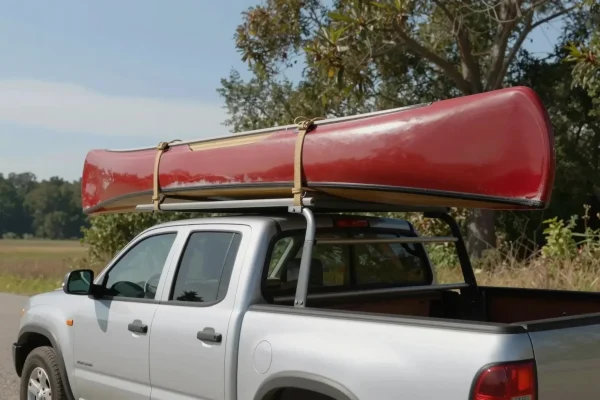
- J-cradles: These hold the kayak on its side, maximizing roof space and allowing for easy loading and unloading.
- Foam Blocks: Affordable and easy to use, foam blocks can be placed directly on the car roof or crossbars to cushion the kayak.
- Soft Racks: Ideal for cars without roof rails, soft racks can be attached through the car doors to secure the kayak.
- Kayak Trailers: For those transporting multiple kayaks, a trailer might be the best option, providing a dedicated space for loading.
Securing the Kayak
Once the kayak is loaded, securing it properly is vital to avoid any movement during transit. Here are steps for proper securing kayak techniques:
- Tie-down Straps: Use these to wrap around the kayak and the crossbars, ensuring a snug fit.
- Ratchet Straps: These provide additional tension and security, especially useful for longer journeys.
- Bow and Stern Lines: Attach these lines from the kayak’s ends to the car’s front and rear bumpers to prevent side-to-side movement.
Loading the Kayak
Loading the kayak onto your vehicle can be challenging, but following the right steps can simplify the process:
- Weight Distribution: Position the kayak evenly to distribute weight across the roof rack and prevent any imbalance.
- Roof Padding: Use padding to protect both the kayak and the car roof from scratches or dents.
- Assistance: Whenever possible, have a second person help with loading to ensure the kayak is lifted and placed safely.
Preventing Roof Damage
To avoid any potential damage to your car roof, consider the following:
- Roof Padding: As mentioned, foam blocks or towels can provide an extra layer of protection.
- Check Fastenings: Regularly inspect all straps and fastenings to ensure they remain tight and secure.
Transporting Equipment Safely
While the kayak is the main focus, remember to secure any additional transporting equipment such as paddles or life jackets. These can be stored inside the vehicle or tied down with the kayak.
Transporting a kayak doesn’t have to be a complex task. With the right tools, such as roof racks, kayak carriers, and tie-down straps, you can ensure a safe and secure journey. Always prioritize transport safety by checking all attachments and ensuring everything is tightly secured to prevent any accidents or damage. With these steps, your kayak adventures can begin smoothly and safely.