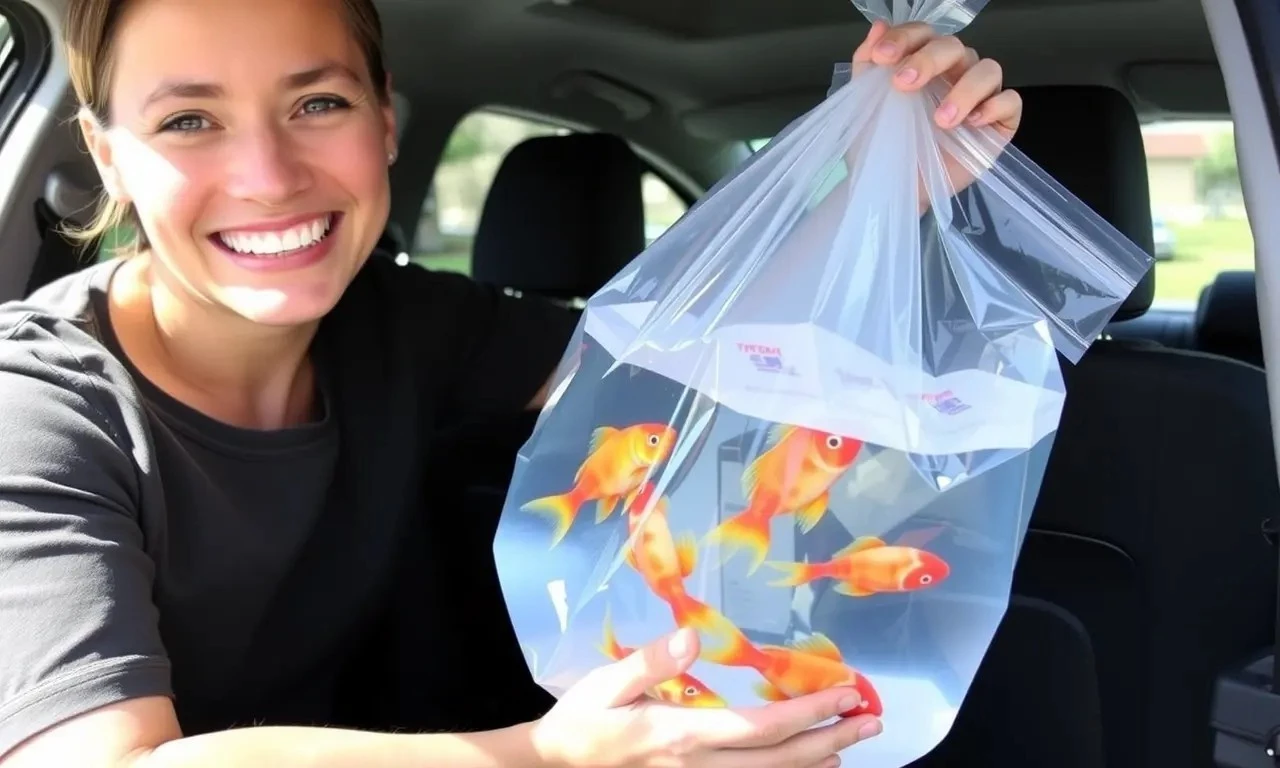
how to transport fish in a car
Transporting fish in a car can be a daunting experience, especially when considering the delicate nature of aquatic life. Whether you’re moving your fish tank to a new home or simply relocating your aquatic friends, it’s essential to ensure their safety and comfort during the journey. This article provides a comprehensive guide to transporting fish securely and efficiently.
Essential Preparations
Before you start your journey, it’s crucial to prepare adequately. Proper preparation minimizes stress and ensures the well-being of your fish.
Choosing the Right Container
Your first step is to select an appropriate container for your fish. Water bags are a popular choice for short trips, offering flexibility and cushioning during travel. For more extended journeys, opt for a sturdy, sealable container that can hold both the fish and a portion of their original tank water.
Maintaining Optimal Oxygen Levels
Oxygen is vital for fish survival during transportation. To enhance oxygen levels, fill the container with one-third water and leave the rest as air space. Additionally, consider using battery-operated air pumps to generate bubbles and sustain oxygenation, particularly for long-distance travel.
Temperature Control
Temperature fluctuations can be stressful for fish. Ensure the container’s water temperature is consistent with the fish tank’s. Utilize insulating materials to maintain a stable environment during transportation. Monitor the temperature regularly, especially if traveling over long distances.
Loading the Fish into the Vehicle
Once you have prepared your fish and container, it’s time to load them into your vehicle.
Secure Placement
Place the container in a secure, stable position in the vehicle to prevent spillage and sudden movements. Use seat belts or other restraining devices to keep the container in place.
Cushioning the Container
Provide additional cushioning around the container to absorb shocks and vibrations. This extra layer of protection will help minimize stress for the fish during travel.
During the Journey
While on the road, there are several important factors to consider for the safety and comfort of your fish.
Monitoring Conditions
Regularly check the container’s temperature and oxygen levels. Adjust as needed to ensure your fish remain in a safe and comfortable environment.
Minimizing Stress
Keep the noise level in the vehicle low and avoid bright lights, as these can increase stress levels in fish. If possible, cover the container with a dark cloth to create a calmer atmosphere.
Arrival and Acclimation
Once you’ve reached your destination, the next steps are crucial for the successful acclimation of your fish to their new environment.
Gradual Acclimation
Do not rush to put the fish directly into the new fish tank. Gradually acclimate them to their new environment by slowly equalizing the temperature and water chemistry between the container and the tank. This process reduces the risk of shock and stress.
Filtration and Maintenance
Ensure the fish tank’s filtration system is functioning correctly before introducing the fish. Proper maintenance of the tank and water quality is essential for the long-term health of your aquatic pets.
Long-Distance Travel Considerations
Transporting fish over long distances requires additional planning and care.
Regular Intervals
For extended journeys, plan regular stops to check on the fish and make necessary adjustments to temperature and oxygen levels. These breaks also allow for any required maintenance of the transportation setup.
Emergency Preparedness
Be prepared for emergencies by carrying extra water, dechlorinator, and spare batteries for air pumps. Having these supplies on hand can be invaluable in unforeseen situations.
Successfully transporting fish in a car involves careful planning, attention to detail, and a focus on the well-being of your aquatic companions. By following these guidelines, you can ensure a smooth and safe relocation for your fish, minimizing stress and maintaining their health throughout the journey.